- BoostSolutions
-
Products
-
- Microsoft Teams
- HumanLike Alert Reminder
- View All Apps
- Pricing
- Support
- Company
SharePoint Password Change & Expiration allows users to change their own passwords from SharePoint without administrator intervention. This product also has a feature that sends the email confirming the password has been changed. In this article you will learn how to configure the notification email and the day when it will be sent.
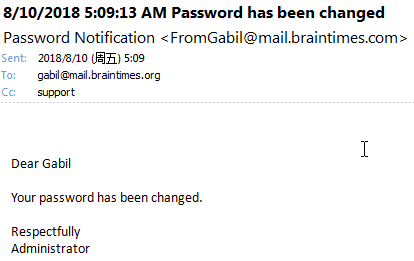
Both Gabil and Support team has received the password change confirmation email.
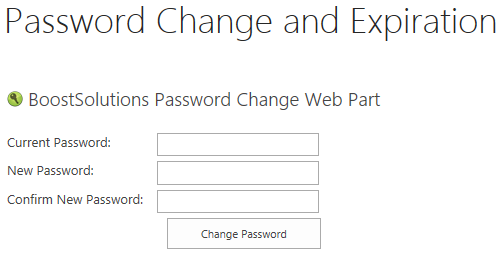
The web part is added to the SharePoint site. For this article we added it to the site page called Password Change and Expiration. Also, web application outgoing email server settings in SharePoint Central Administration or the custom SMTP settings in the Password Change settings must be configured. You can check our other articles to get more information on how to add the web part and configure the custom SMTP settings.
Download the trial version of Password Change & Expiration and install it to your SharePoint server.
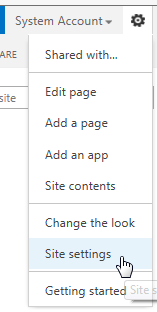
Click on the Settings menu on the upper right corner of the page and click on Site Settings.
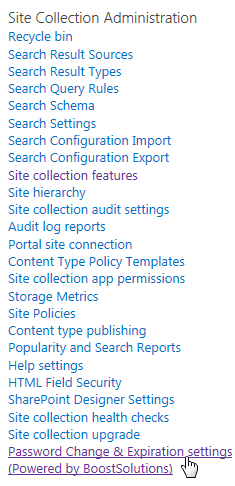
Find Password Change & Expiration settings in the Site Collection Administration group and click on it.
There is also another way to reach the Password Change Settings. First we need to go to the site where Password Change web part is added. Find Site Settings menu on upper right corner and click on Edit Page.
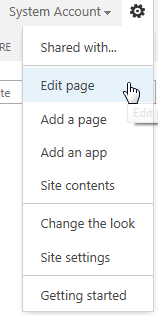
You will see the web part changed to edit mode after clicking on Edit Page.
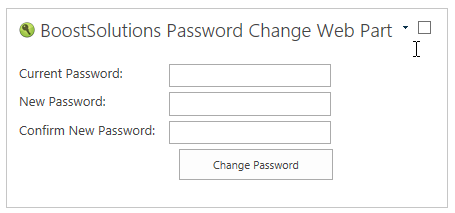
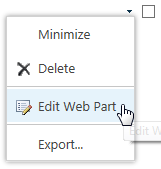
Next step, click on small black triangle on the right side of the web part, next to the check box. After clicking you will see the drop down menu appear. Click on Edit Web Part.
You will see the configuration settings box on the right side of the web part appear. Click on Click here to open password change notification settings page.
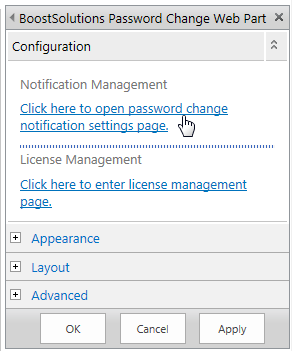
The Password Change Settings page will open after following the steps 3 and 7.
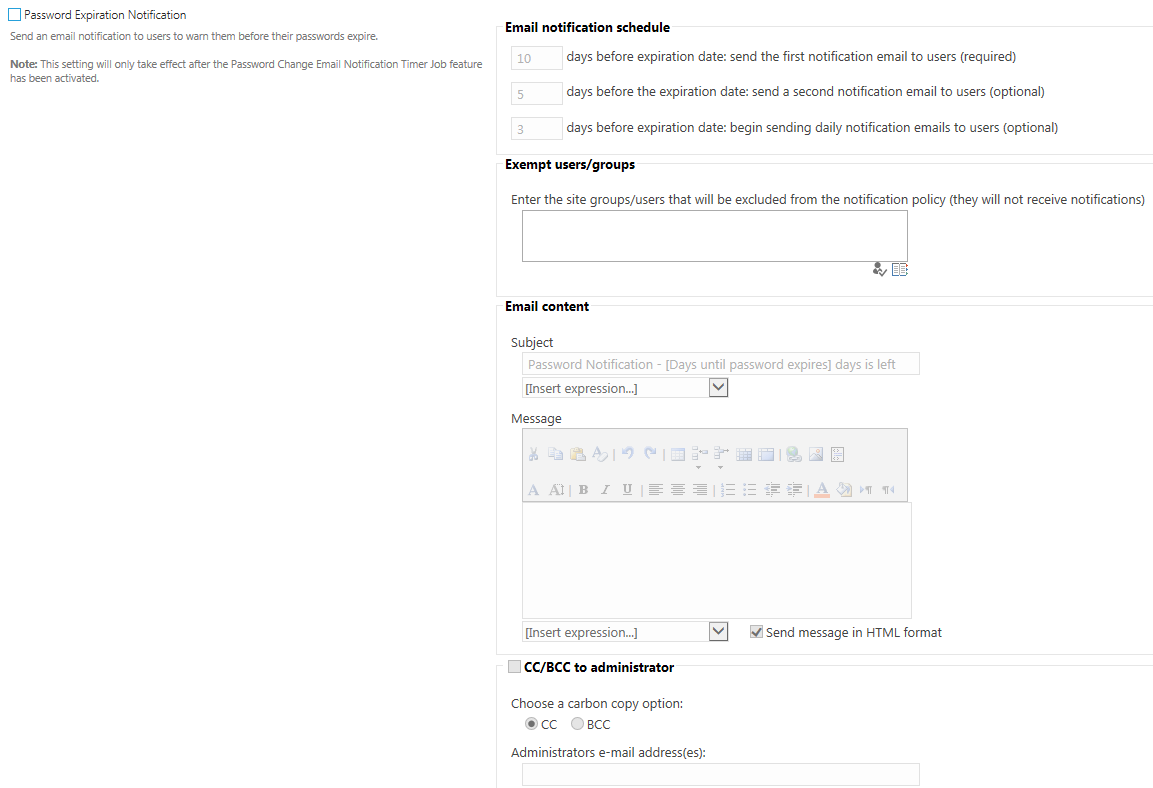
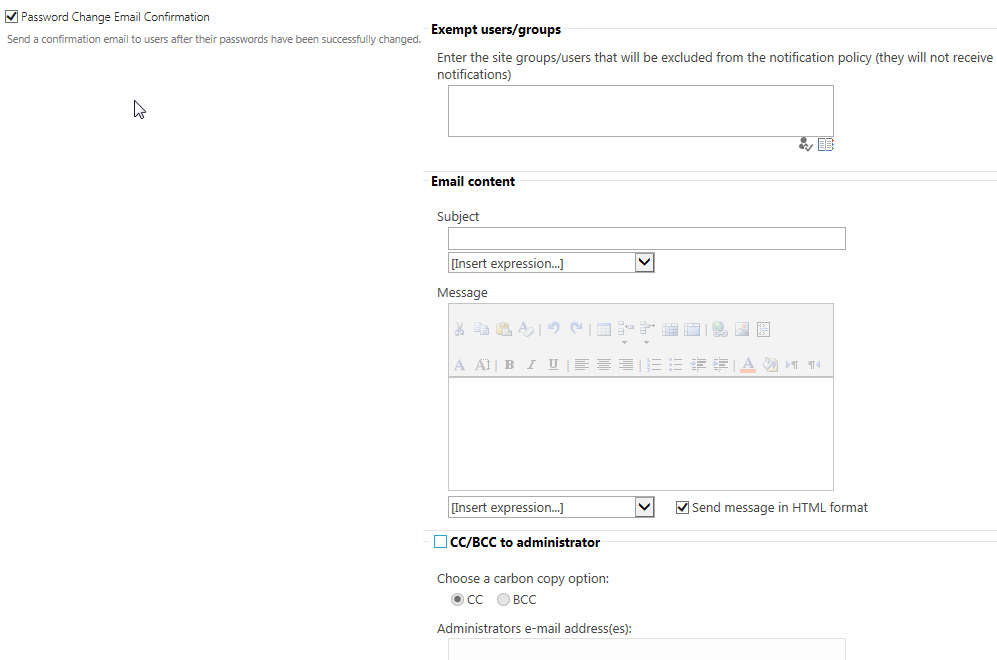
In this page we will only focus on Password Change Email Confirmation section. If we want to enable the feature we will need to check the box next to the title.

After enabling the feature, we will be able to modify or configure other related features. Firstly, Exempt users/groups part (We talked about this feature in another article more briefly. You can check it for more information.) Simply speaking here we can identify who will not receive the email confirmation after changing the password.
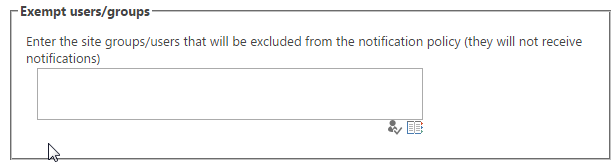
Email content is the part where we will modify the email content.
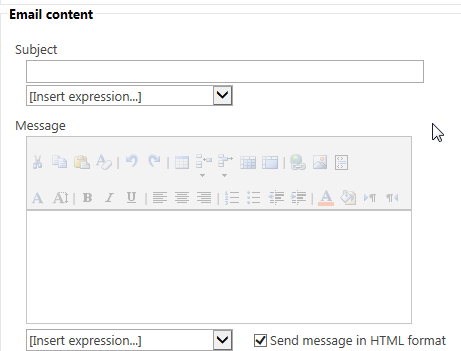
First we edit the subject of the email. We can use the expressions or just type our own words.
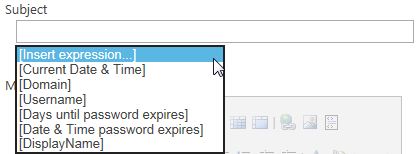
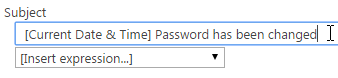
Let’s change it as following.
Next step is Message part. If you want the message to be sent in HTML format. Then check the box next to Send message in HTML format. When it is checked you will have more editing options.
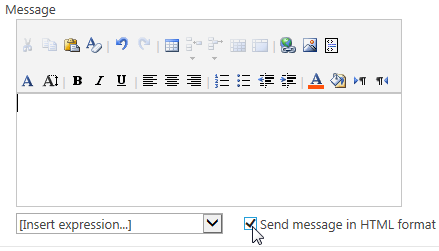
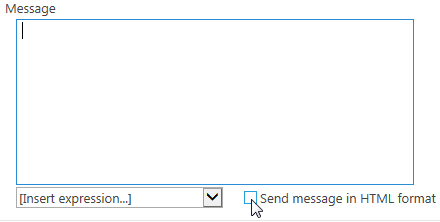
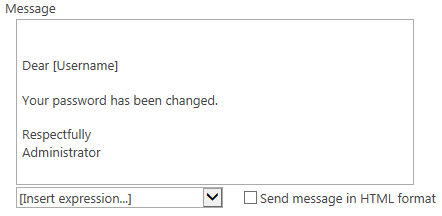
Let’s keep it unchecked and fill in the message content as following. We again will be able to use the expressions for the message content.
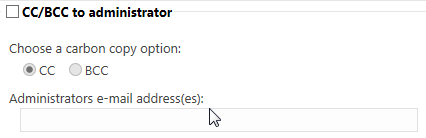
Lastly, we can decide whether CC or BCC emails will be sent to someone.
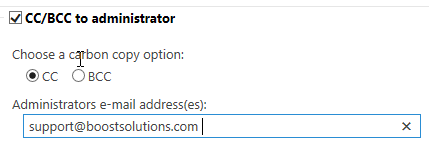
Let’s check it, choose CC and fill in the Administrators e-mail address (es) as following.
Now we can save the settings. Click OK to do it you will find the OK button both on the up and below right side of the page. Then let’s log in as Gabil and change the password.
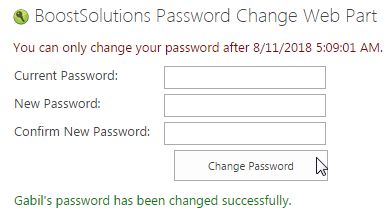
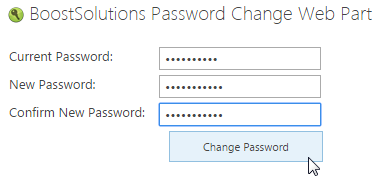
After logging in as Gabil navigate to the page where the web part is added to. Fill in the Current Password, New Password and Confirm New Password boxes and click Change Password.
Below are the confirmations from the web part and the received email.